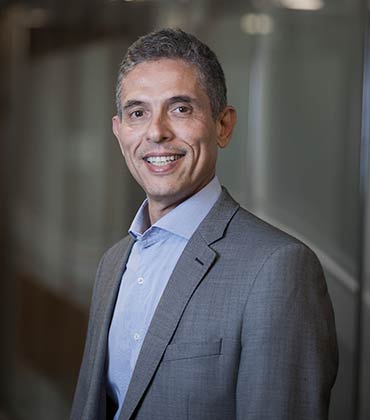
Elcio Trajano Junior
Is there such a thing as a sustainable future without people engaged in the present? When we think about sustainability, do we think about people? At times, sustainability may seem distant, even abstract, an idea that feels far removed from everyday life. But as someone who manages this area, I can assure you that sustainability is concrete, and it can be seen every day in the actions of the people who make Eldorado Brasil what it is.
My work is with people, and through it I’ve come to see how essential our teams are, not only in combining production with environmental care, but also in fostering development in the communities where we operate. That is why at Eldorado, one of our guiding principles is to value talent through training, human development, fair relationships, well-being, governance, equity, employability, volunteer work, and safe operations.
Just last year, each Eldorado employee received an average of 41 hours of training. Altogether, more than 6,100 people were trained in legal, technical, and behavioral topics. Among them were young people entering the job market and employees who had not finished primary or secondary school. For these employees, we offered preparation for the National Exam for the Certification of Competencies of Young People and Adults (Encceja). It was rewarding to see that 35 employees took the exam last year, and 60% passed.
All of our training programs are tailored to the specific realities of forestry work. We implemented 90 technical courses delivered through a mobile training structure that includes six classroom units, two laboratories, simulators, and hands-on equipment. To give you an idea of the impact: in 2024 alone, this mobile training center provided instruction to more than 1,700 people.
Another essential aspect of corporate sustainability is valuing diversity. When we created, for example, an all-female class of tractor operators, we did more than break a gender paradigm. We broadened perspectives on the land we manage, on the practices we use, and on the way we care for the environment. Welcoming different life experiences not only enriches our culture but also contributes to innovation and strengthens the business.
Sustainability is not possible without conscious leadership that is connected to new trends and attuned to change. And it’s not just about decision-making. It’s about how we give feedback, listen, guide, and understand that employees may not always be at their best. Our Leadership Academy is our largest initiative in this area, but leadership goes far beyond training. It’s about setting examples and fostering a culture that respects and values the collective.
Promoting the well-being of all employees is also vital. In addition to offering supplemental health coverage, we have health stations in key cities that serve employees and their families. These include nursing support, diagnostics, teleconsultations, maternity programs, and assistance for children with special needs.
We’ve also invested in installing more than 100 antennas in remote areas, ensuring that our forestry employees have access to the internet and can stay connected with their families. These actions directly impact motivation, engagement, and the way each individual cares for their surroundings.
In recent years, we have also invested heavily in People Analytics. And here I must stress: this is not just about charts and numbers. It’s about stories. We use data to better understand workplace behavior, create opportunities for greater efficiency, and ensure that the right person is in the right role, with multidisciplinary leaders who can support them. It’s about knowing who works with us, what they need to grow not only as professionals but also as individuals.
When we understand our people, even small adjustments in their work journey can positively impact their family’s wellbeing and ensure the continuity of high-quality work. These small actions, taken together, form part of a greater system that cares for the planet by starting with people.
Sustainability means investing in lasting relationships, not only with the environment, but also with communities, consumers, and employees. It is through this closer, people-centered approach that I believe sustainability moves from theory to practice. And for that to happen, we must begin with what is closest to us: how we care for one another.