

Thank you for Subscribing to Energy Business Review Weekly Brief


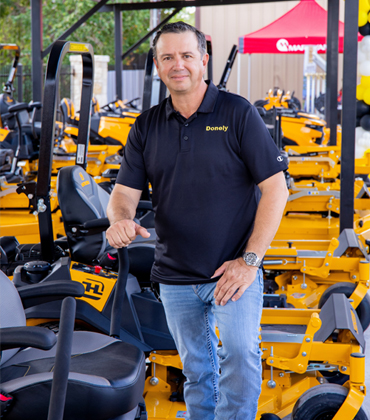 Ely Valdez, Owner
 South Texas Curbing operates as a ground-level asset protector for utility-scale solar infrastructure, delivering integrated vegetation management through mechanical, ecological and agricultural controls.
Utility-scale solar facilities represent multi-million-dollar infrastructure investments where unmanaged vegetation gradually reduces output and destabilizes operating conditions. Shade forms beneath panels, brush accumulates along fence lines and drainage channels narrow after heavy rain. These conditions compromise generation stability, increase fire exposure and complicate inspections. Over time, this weakens long-term return on investment.
South Texas Curbing protects solar asset performance from the ground up by managing vegetation as an operational control rather than a routine maintenance task. Precision clearing, predictive planning and integrated grazing operate within a coordinated maintenance framework designed to reduce shading losses, stabilize land conditions and support infrastructure continuity.
“We don’t just mow grass,” says Ely Valdez, Owner. “We protect megawatts.”
Ground-Level Controls That Protect Output
Utility-scale solar facilities operate within living ecosystems and require active control. South Texas Curbing tightly manages vegetation around inverters and transformers and reduces operational risk. Under-panel clearance is adjusted to match tilt system requirements. Drainage channels and access routes are stabilized to prevent degradation that can disrupt site performance. In drought-prone Southern regions, perimeter fire buffers help reduce seasonal exposure.
 The company implements region-specific maintenance calendars and wildlife-conscious operational planning designed for tight panel rows and sensitive electrical layouts.
Over the past decade, it has expanded from a service provider into an infrastructure partner. Predictive planning now supports client budgeting by forecasting vegetation cycles before risk emerges. Expanded scope includes erosion mitigation, curbing protection and access road stabilization, strengthening the link between land discipline and energy reliability.
Integrated Grazing and Adaptive Land Stewardship
One of the most distinctive elements of the operating model is internally managed agrivoltaics grazing. Instead of subcontracting, South Texas Curbing owns and manages its sheep herds, allowing full scheduling control, direct accountability and predictable deployment timelines across solar sites.
Grazing operates within a coordinated vegetation management system rather than as a standalone service. Sheep rotations are scheduled alongside precision mechanical trimming and continuous vegetation growth monitoring. Sensitive equipment areas receive targeted trimming and clearance standards are maintained through structured oversight.
-
We don’t just mow grass. We protect megawatts.
Managed grazing reduces reliance on herbicides and lowers soil compaction compared to heavy mechanical equipment, allowing soil structure to remain intact beneath the panels. Natural fertilization improves soil condition and supports consistent vegetation control. Reduced reliance on heavy mechanical mowing lowers fuel consumption and maintenance-related carbon emissions across long-term asset cycles.
Field deployment reflects how these controls function under real environmental stress. At a large solar site, prolonged drought and rising fire exposure occurred as dry vegetation accumulated across perimeter zones and beneath panel rows. South Texas Curbing responded with perimeter buffer mowing and targeted sheep grazing rotations to reduce combustible growth before peak season. Continued monitoring and rotational control helped the site maintain insurance standards while keeping fire exposure contained.
Asset Stability and Forward Deployment
Safety operates as both an internal culture and an external accountability structure. Daily tailgate meetings and pre-deployment job hazard analysis guide field preparation. Heat stress mitigation protocols address extreme weather exposure. Electrical hazard awareness training and livestock handling safety standards govern work around energized equipment and managed herds. Independent safety consultants audit procedures and align operations with evolving industry and regulatory expectations.
 This dual oversight reduces liability exposure and improves investor confidence by minimizing operational disruption, keeping sites inspection-ready.
Future deployment planning extends into Central and Northern regions, where freeze-thaw soil cycles, frost heave risk, snow accumulation along panel rows and compressed growing seasons introduce new control variables. Climate-adapted equipment and regional expertise teams are part of the expansion model to maintain operational consistency across geographies.
South Texas Curbing continues to manage vegetation, land conditions and grazing operations as integrated infrastructure controls that support stable solar performance across long-term asset cycles.
Selecting Effective Solar Farm Vegetation Management for Long-Term Asset Performance
Utility-scale solar farms depend on disciplined land management to sustain energy output, safety compliance and investor confidence. Vegetation control might appear routine, yet unmanaged ground conditions quickly undermine generation performance and infrastructure stability. Shading from uncontrolled growth reduces panel efficiency, invasive species obstruct maintenance access and unmanaged biomass elevates fire exposure across large installations. Asset owners evaluating solar farm vegetation management providers therefore look beyond routine mowing toward partners capable of protecting generation assets across their full lifecycle.
Effective providers treat solar landscapes as engineered infrastructure embedded within living ecosystems. Ground clearance beneath panels must align with array tilt systems and electrical components, while surrounding vegetation must be managed in ways that preserve drainage channels, protect soil integrity and maintain safe buffers around equipment. Poorly executed clearing introduces erosion risk and drainage failure, creating long-term site degradation that ultimately affects project economics.
Management teams increasingly prioritize vegetation strategies that balance performance requirements with environmental responsibility. Heavy mechanical mowing cycles alone can compact soil and increase fuel consumption, while excessive chemical treatments create ecological concerns and long-term land degradation. Sustainable land stewardship has therefore become an important signal of provider maturity. Targeted herbicide use, native vegetation strategies and soil stabilization practices help maintain the delicate balance between energy infrastructure and the ecosystems that surround it.
Regional conditions further complicate vegetation management decisions. Solar installations across the southern United States experience extended growing seasons, invasive plant pressures and periodic drought conditions that heighten fire risk. Heavy rainfall can destabilize soil and drainage infrastructure if vegetation cycles are poorly timed. Strong providers respond through regionally adapted maintenance calendars, precision equipment capable of operating safely between panel rows and preventative clearing strategies that maintain fire buffers and infrastructure access before seasonal risk peaks.
Site owners also scrutinize how service partners integrate predictive planning into their work. Vegetation growth patterns follow seasonal cycles that can be forecast and budgeted against. Providers capable of anticipating growth and coordinating clearing schedules help operators avoid reactive maintenance, reduce downtime and preserve generation output. Specialized low-clearance equipment designed for solar arrays also reduces the risk of damaging racking systems or electrical cabling during maintenance work.
Safety culture represents another decisive factor. Large solar sites contain energized infrastructure, heat exposure risks and heavy equipment movement across expansive terrain. Strong service providers combine internal safety leadership, hazard planning and workforce training with independent oversight that audits procedures against industry standards. This disciplined approach lowers liability exposure, minimizes site disruption and strengthens regulatory compliance for asset owners and investors alike.
South Texas Curbing exemplifies this comprehensive approach to solar land management. The company protects energy production through precision vegetation control that maintains under-panel clearance, preserves drainage systems and stabilizes soil conditions across large solar installations. It combines mechanical trimming with an integrated grazing program supported by company-owned sheep herds, allowing vegetation to be managed through controlled agrivoltaic practices rather than outsourced grazing arrangements. Direct herd management provides predictable scheduling, consistent site coverage and reduced reliance on chemical treatments while improving soil health and lowering fuel consumption. Its disciplined safety oversight and regionally adapted maintenance strategies help asset owners safeguard generation output, maintain compliance and protect long-term infrastructure value.
...Read more
Solar Farm Vegetation Management Services Info
Q1
What Should Buyers Expect from Solar Farm Vegetation Management Services?
Solar Farm Vegetation Management Services should protect production, access and site safety, not simply keep grass short. Utility-scale sites need under-panel clearance, fence-line control, drainage access and visibility around inverters, transformers and other field equipment. When vegetation is neglected, shading can reduce output, dry brush can raise fire exposure and crews may face harder inspections or repairs. A weak program turns routine growth into a performance issue.
Q2
How Does South Texas Curbing Approach Vegetation Control?
South Texas Curbing treats Solar Farm Vegetation Management Services as ground-level asset protection for solar infrastructure. Its work combines mechanical clearing, ecological planning and agricultural controls rather than relying on one maintenance method. The company uses precision clearing, predictive maintenance calendars and integrated grazing to manage growth before it affects panel performance, access routes or sensitive electrical layouts. That matters on sites where tight rows leave little room for slow or uneven work.
Q3
Why Does Grazing Matter on Solar Sites?
Grazing can be useful when it is planned as part of Solar Farm Vegetation Management Services rather than added as a side activity. Sheep can reduce reliance on herbicides, limit soil compaction compared with heavy machinery and help maintain vegetation under panels. The real value comes from scheduling rotations, monitoring growth and trimming areas animals cannot safely reach. Poorly managed grazing can create its own gaps, so oversight is as important as the herd.
Q4
What Site Conditions Make Vegetation Management More Complex?
Solar fields are exposed to heat, drought, rain events, drainage shifts and changing growth cycles. Solar Farm Vegetation Management Services must account for those conditions before they become costly. Perimeter fire buffers, stable access roads and clear drainage channels can matter as much as mowing, especially when crews need safe entry for inspection, repairs or emergency response. In dry regions, unmanaged brush near fence lines can become a larger risk than many owners expect.
Q5
How Should Asset Owners Evaluate Solar Farm Vegetation Management Services?
Asset owners should look beyond acreage pricing and ask how a provider handles real site conditions. Solar Farm Vegetation Management Services are easier to judge when the provider can explain under-panel standards, equipment-area clearance, grazing oversight, erosion control, safety preparation and reporting. A practical test is how it responds when dry growth builds before peak fire season. The answer should cover people, equipment, timing and follow-up, not just a mowing schedule or a broad maintenance promise.
Q6
What Makes South Texas Curbing Relevant to Long-Term Solar Performance?
South Texas Curbing connects Solar Farm Vegetation Management Services to uptime, insurance readiness and land stewardship. It owns and manages its sheep herds, giving it direct control over grazing schedules instead of depending on a subcontracted model. Daily tailgate meetings, pre-deployment job hazard analysis, heat-stress measures, electrical hazard training and independent safety audits add field discipline around energized equipment and livestock work. Those controls help keep land care tied to energy reliability over long solar asset cycles.
Company
South Texas Curbing
Management
Ely Valdez, Owner
Description
South Texas Curbing supports utility-scale solar performance through precision vegetation management that protects energy output and infrastructure reliability. The company combines predictive planning, controlled clearing and integrated sheep grazing to reduce fire risk, stabilize soil, maintain access and safeguard long-term asset operations across evolving environmental conditions and complex site demands.
