


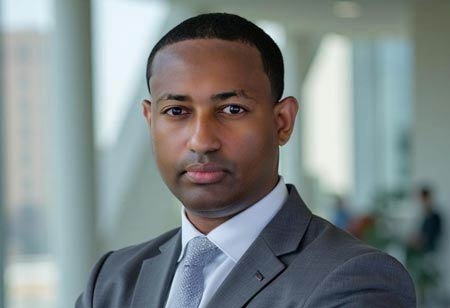
In an exclusive interview with Energy Business Review he shared invaluable insights on managing complexity in gas utility construction by embedding risk mitigation into every project phase, fostering cross-functional collaboration, engaging stakeholders early, and promoting a culture of proactive planning and safety at all organizational levels.
In the world of gas utility construction, complexity has become the standard. Urban areas are growing denser and existing systems are stretched thin. As regulatory requirements increase, managing a major gas distribution project has become a balancing act involving infrastructure, community interests, and safety. Today, project managers and executives must focus on one essential skill: effective risk management. Integration with Existing Infrastructure One major source of complexity involves tying new pipelines into networks that have been operating for decades. Projects in developed areas require a surgical approach. Teams work near live gas lines and critical services, often relying on incomplete or outdated documentation. Even minor excavation tasks can lead to serious conflicts with other utilities. Success depends on careful planning and flexibility on site. Standard project frameworks are often not enough. Instead, project teams need real-time coordination among engineers, construction workers, and operations specialists to handle issues as they arise. Coordinating Multiple Stakeholders Another challenge comes from the many parties involved in gas projects. Governments, environmental bodies, permitting offices, traffic managers, community groups, and adjacent property owners all have a stake. Each group has its own concerns and schedules; when their expectations are not aligned, delays or extra expenses are likely. To address this challenge, teams must engage stakeholders early in the process and keep communication open throughout the project. Engaging stakeholders goes beyond obtaining permits. It means building ongoing relationships, aligning expectations, and creating ways to solve disagreements before they grow.Risk management isn’t a phase it’s a mindset that must guide every stage, from planning through execution, to keep complex utility projects safe and successful.
